
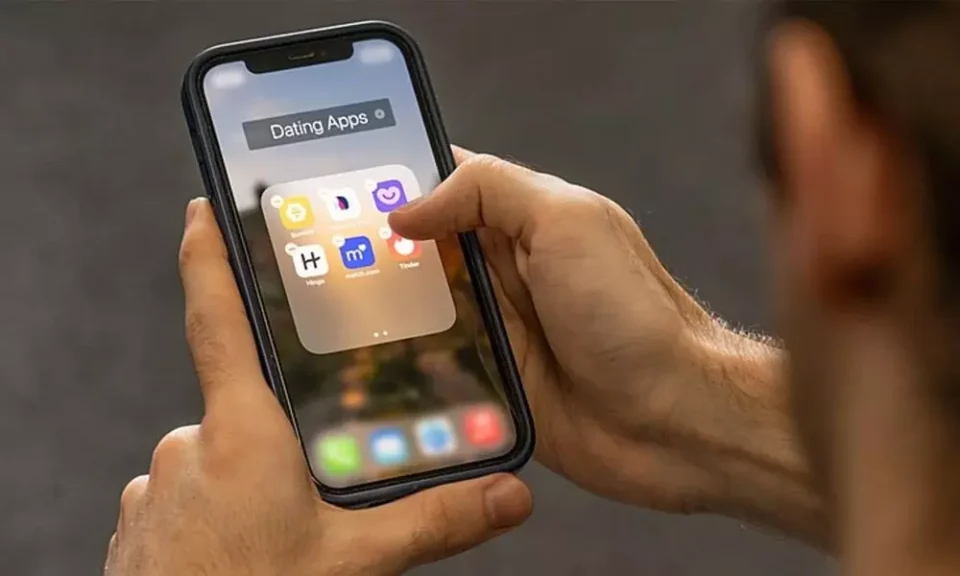
In Stockton, dating apps have become a primary gateway for meeting potential partners. Despite high match numbers, many users report difficulty turning digital interest into meaningful relationships. This gap between matching and connecting is not random.
It often reflects psychological, behavioral, and communication patterns shaped by modern digital dating culture.
The Illusion of Compatibility
Matching systems create the impression of strong compatibility, but most algorithms rely on limited data points such as photos, short bios, and basic preferences. In Stockton’s diverse social environment, real compatibility often depends on deeper lifestyle alignment, values, and emotional communication styles.
Users may assume a match automatically signals mutual interest or long-term potential. In reality, it simply indicates initial attraction or curiosity.
This misunderstanding can lead to:
- Overestimating emotional connection
- Expecting immediate chemistry in conversations
- Disappointment when interaction feels ordinary
- Losing interest quickly when conversations require effort
The Paradox of Too Many Options
Stockton’s growing population and active digital dating scene mean users often face an overwhelming number of potential matches. While this increases opportunity, it can reduce emotional investment.
Before examining effects, it is important to understand that excessive choice often weakens decision-making confidence.
Common outcomes include:
- Constant comparison between matches
- Reduced patience during early conversations
- Fear of committing to one person too soon
- Treating matches as replaceable rather than unique

Surface-Level Communication Patterns
Many conversations never move beyond small talk. In Stockton, busy work schedules and commuting lifestyles can make people rely on quick, low-effort messaging.
Digital communication often lacks tone, body language, and emotional nuance. Without these elements, emotional bonds form slowly or not at all.
Typical conversation breakdown patterns include:
- Repetitive opening questions
- Delayed responses reduce momentum
- Misinterpretation of tone or humor
- Avoidance of vulnerable or meaningful topics
Fear of Real-World Vulnerability
Moving from messaging to meeting requires emotional risk. Some users enjoy the safety of digital interaction but hesitate when faced with real-world connection.
In Stockton, where professional reputation and social overlap can feel important, some individuals prefer maintaining distance rather than risking awkward or disappointing in-person encounters.
This fear may appear as:
- Endless chatting without planning dates
- Last-minute cancellations
- Gradual reduction in response frequency
- Avoiding video calls or voice notes
Misaligned Intentions
Not all users join dating apps with the same goals. In Stockton, users may be looking for serious relationships, casual dating, validation, or simply entertainment. When intentions do not match, conversations often lose direction quickly. Before continuing interactions, users often benefit from recognizing early signals.
Signs of mismatched intentions include:
- One person asks deeper life questions while the other stays casual
- Inconsistent communication effort
- Avoiding discussions about meeting in person
- Vague responses about relationship goals
Emotional Burnout and Low Investment
Frequent exposure to rejection, ghosting, or slow conversations can create emotional fatigue. In Stockton’s active dating pool, repeated short interactions may cause users to detach emotionally as a protective response.
This often results in:
- Reduced enthusiasm in conversations
- Minimal personal sharing
- Quick loss of interest
- Passive participation in chats
Improving Match-to-Connection Conversion
Turning matches into real relationships requires intentional behavior changes rather than increased app activity.
Effective strategies include:
- Moving to voice or video calls earlier
- Asking meaningful questions beyond hobbies
- Suggesting in-person meetings within a reasonable timeframe
- Limiting simultaneous conversations
- Communicating expectations clearly
Consistency and emotional presence often matter more than message quantity.
Bottom Line
In Stockton, the gap between matches and real connections reflects modern digital dating dynamics rather than personal failure. When users focus on depth, emotional clarity, and intentional communication, match quality often improves. Real connections rarely form through endless swiping alone.
They develop when digital introductions are followed by genuine curiosity, emotional openness, and real-world interaction.
