
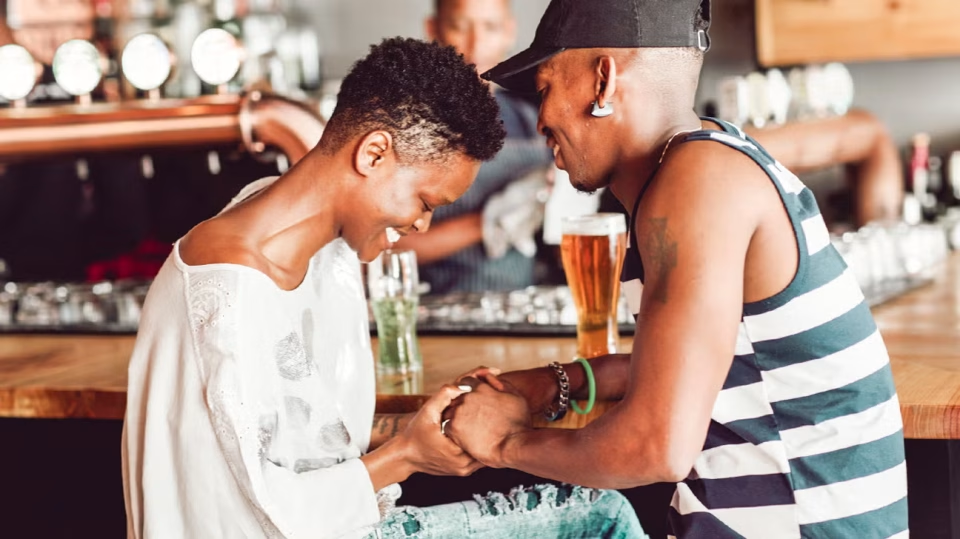
Casual dating means spending time romantically with someone without the expectation of commitment. You enjoy the chemistry, but neither person is making promises about exclusivity. This is the main difference between dating and a relationship: dating is the “interview” phase where you’re figuring things out, while a relationship is a mutual agreement—explicit or implicit—that you are building a life together and not seeing anyone else.
Done well, casual dating is genuinely enjoyable – it lets you meet people, learn what you actually want in a partner, and enjoy connection without the weight of commitment. Done poorly – especially when one person’s expectations differ from the other’s – it leads to hurt feelings and unnecessary confusion. The difference is almost always communication.
Casual Dating vs Other Types of Connections
| Type | Definition | Emotional Investment | Exclusivity |
|---|---|---|---|
| Casual dating | Going on dates; no commitment; both know the score | Low to medium | Usually not exclusive |
| Friends with benefits | Physical connection; existing friendship; no romance focus | Low (ideally) | Not exclusive |
| Hookup | Single or occasional physical meetups; minimal social connection | Very low | Not applicable |
| Situationship | Relationship-like dynamic without agreement or label | Medium to high (problematic) | Unclear – source of tension |
| Committed relationship | Mutual agreement to be exclusive partners | High | Exclusive |
How to Do Casual Dating Well
- Be honest about your intentions upfront – not brutally so, but clearly. ‘I’m enjoying getting to know people and not looking for anything serious right now’ is enough.
- Don’t let ambiguity fester – if the other person seems to want more, address it directly rather than avoiding the conversation.
- Keep consistent communication – ghosting someone you’ve been casually dating is still unkind.
- Respect that the other person is also dating others – jealousy in a casual dynamic is a sign you want more than you’ve admitted.
- Check in with yourself regularly – casual dating that starts feeling painful isn’t working for you.
Setting and Communicating Expectations
The expectations conversation doesn’t have to be heavy or formal. It’s usually as simple as being honest about where you are in life when it naturally comes up. If someone asks ‘are you looking for something serious?’, answer honestly rather than saying what you think they want to hear.
The most common mistake in casual dating is telling someone what they want to hear to avoid an uncomfortable moment – which creates a much more uncomfortable situation several months later.
Signs Casual Dating Is Working vs Not Working
| Working | Not Working |
|---|---|
| You feel genuinely light and free | You feel anxious or uncertain most of the time |
| Both people seem content with the arrangement | One person (possibly you) wants more |
| Communication is easy and low-pressure | Conversations about ‘what this is’ get avoided |
| You enjoy the time together without overthinking | You’re calculating every text and waiting for responses |
| You could walk away without major heartbreak | The idea of them dating someone else genuinely hurts |
Protecting Your Emotions
- Casual dating still involves real feelings – don’t pretend it doesn’t.
- If you notice you’re developing stronger feelings than intended, acknowledge that to yourself first.
- It’s completely okay to decide casual dating isn’t for you – not everyone’s wired for it, and that’s fine.
- Don’t use casual dating as a way to avoid vulnerability you actually want – it tends to backfire.
Safety Tips for Casual Dating
- Meet in public for any first meetings – regardless of how well you’ve been talking online.
- Share your location or plans with a trusted friend.
- Trust your gut about people – if something feels off, act on that feeling.
- Ensure any physical connection is enthusiastically consented to by both people.
Casual dating at its best is honest, enjoyable, and self-aware. At its worst, it’s a way for one person to avoid commitment while the other waits for more. The difference comes down entirely to how clearly both people communicate what they actually want.
