
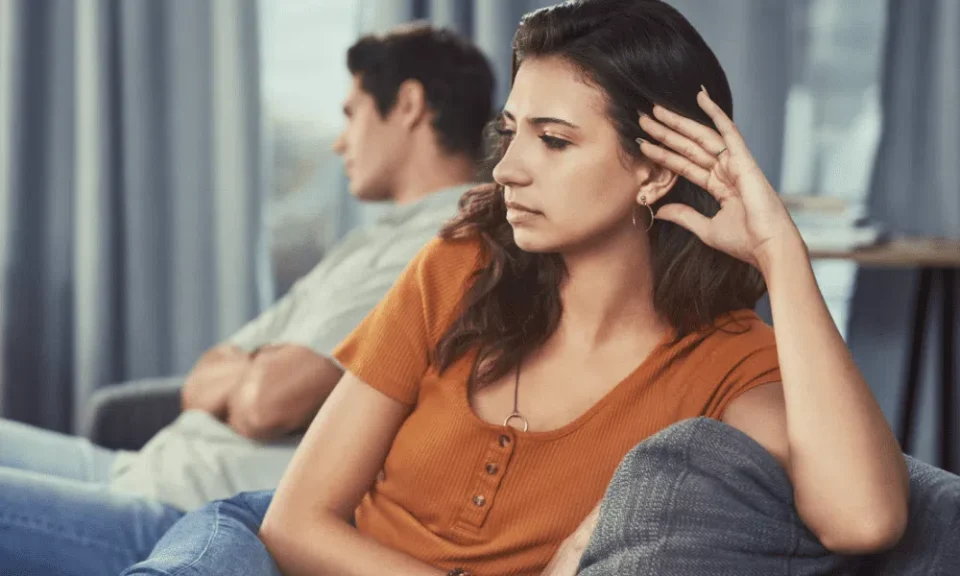
In recent years, a noticeable social shift has taken place in Honolulu, where more adults are choosing single living not as a temporary phase, but as a meaningful, fulfilling lifestyle. As cultural expectations evolve across Hawaii and the wider United States, emotional satisfaction is increasingly being defined by personal growth, autonomy, and intentional relationships rather than marital status.
In Honolulu’s balanced blend of urban convenience and island lifestyle, this transformation is especially visible.
Changing Definitions of Fulfillment
Traditionally, adulthood was strongly tied to marriage and family structures. However, modern adults in Honolulu are redefining success and happiness.
Several factors contribute to this shift:
- Greater financial independence among individuals
- Increased focus on mental health and self-awareness
- Changing social attitudes toward marriage timelines
- Greater acceptance of diverse life paths
In Honolulu, where lifestyle often emphasizes balance, wellness, and community connection, single living is less stigmatized and more normalized. Emotional fulfillment is now often measured by stability, purpose, and personal satisfaction rather than relationship status.
Emotional Benefits of Single Living
Many individuals in Honolulu report higher emotional clarity and self-understanding when living alone. Without constant compromise or relational pressure, people often experience stronger self-identity.
Key emotional advantages include:
- Self-Discovery: Individuals have more time to understand personal goals and values.
- Emotional Stability: Reduced exposure to relationship conflict can support emotional regulation.
- Intentional Relationships: Friendships and family bonds often become stronger and more meaningful.
- Personal Boundaries: Single individuals often develop stronger communication and boundary-setting skills.
Honolulu’s social culture, which encourages outdoor living, social gatherings, and wellness practices, supports emotional independence while still maintaining strong community ties.

Social Shifts Supporting Single Lifestyles
Social infrastructure increasingly supports emotionally fulfilled single living in Honolulu. Communities are adapting to accommodate diverse living choices.
Important social trends include:
- Growth of single-occupancy housing options
- Expansion of social clubs, hobby groups, and wellness communities
- Workplace cultures that support work-life balance
- Increased representation of single lifestyles in media and social narratives
In Honolulu, social interaction is often activity-based rather than relationship-status-based, allowing single adults to build strong social networks without pressure from the couple.
Financial and Lifestyle Freedom
Economic independence plays a major role in emotional fulfillment. Many single adults in Honolulu prioritize experiences, personal development, and financial security.
Common lifestyle priorities include:
- Travel and cultural exploration
- Continuing education or skill development
- Investment in health and wellness
- Flexible career opportunities
Honolulu’s unique environment, where outdoor recreation and cultural experiences are readily accessible, supports a lifestyle that aligns with emotional and personal growth.
Challenges That Still Exist
While emotionally fulfilled single living is rising, challenges remain. Social expectations have not disappeared completely, and some individuals may still experience pressure from family or cultural norms.
Common challenges include:
- Questions about long-term companionship
- Financial planning for single-income households
- Navigating social events designed around couples
- Occasional loneliness during life transitions
The Future of Emotionally Fulfilled Single Living
The future of emotionally fulfilled single living is being shaped by greater self-awareness, flexible social structures, and digital communities that support meaningful connection without traditional relationship pressure. Individuals are prioritizing mental wellness, personal growth, and chosen family networks. As societal expectations evolve, single living is increasingly viewed as a complete, intentional lifestyle rather than a temporary or incomplete life stage.
Final Takeaway
Emotionally fulfilled single living is redefining success by placing inner stability, purpose, and personal freedom at the center of life choices. As cultural narratives continue to shift, individuals are discovering that happiness does not rely solely on romantic partnership but on meaningful self-connection and supportive social circles.
Looking ahead, societies will likely normalize diverse life paths, reducing stigma around singlehood. With stronger focus on emotional intelligence and self-sufficiency, single individuals will continue building deeply satisfying, balanced, and self-directed lives.
